











by Dil Bahra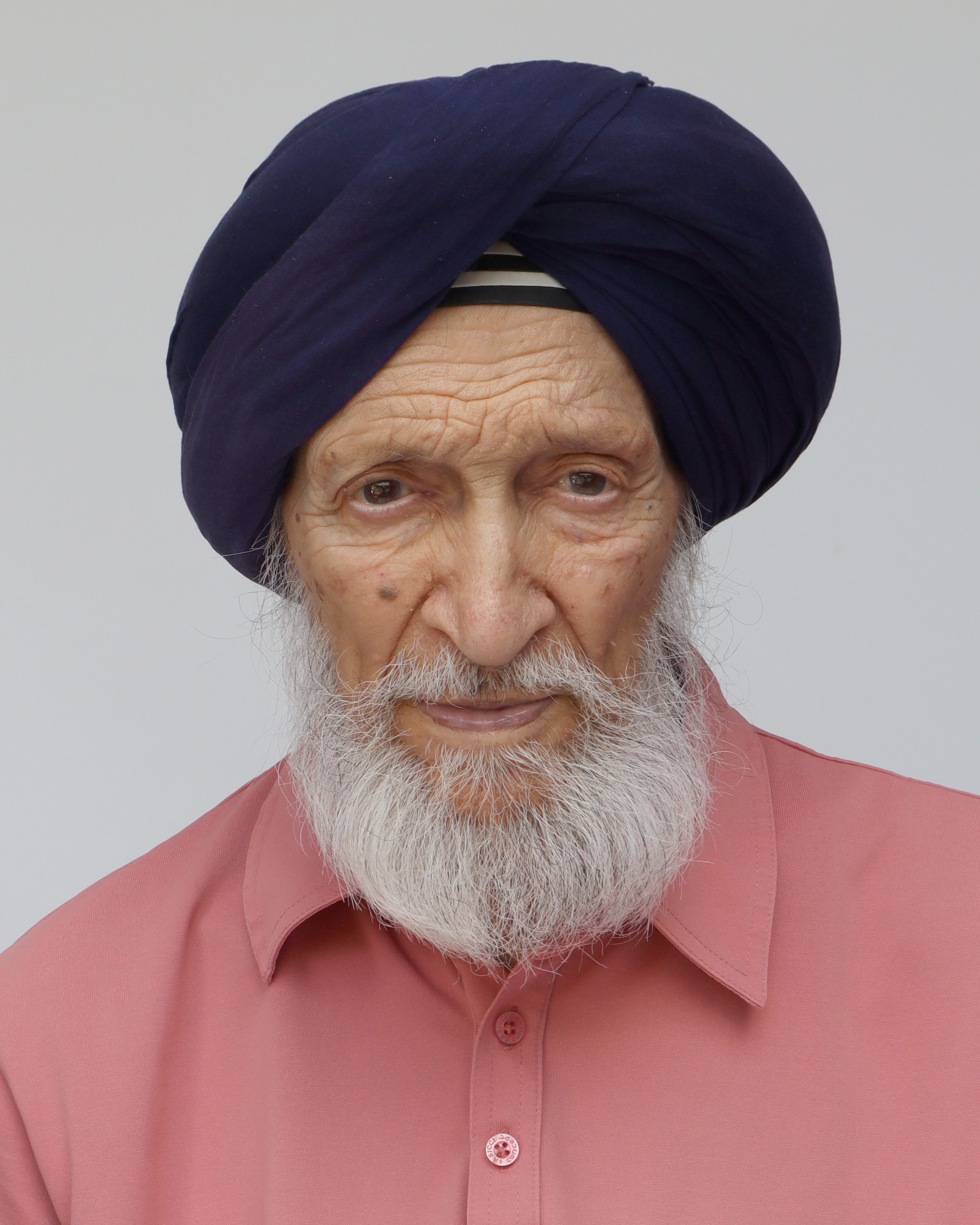
Sukhdev Rao
Sukhdev (“Sukhi”) Singh Rao, a highly respected figure in club hockey in London and a pioneer in the development of Sikh participation in the English game, passed away peacefully on Sunday 12 April 2026 at the age of 92 in Loughborough, England.
Born in Mombasa, Kenya, on 10 September 1933, Sukhi moved to the United Kingdom in 1954 and quickly established himself in the game. A calm, composed and dependable full back, he was known for his positional awareness, strength in the tackle and ability to read the game. He played for Brighton Students between 1954 and 1958, captaining the side in the 1957–58 season, and also represented Brighton Technical College.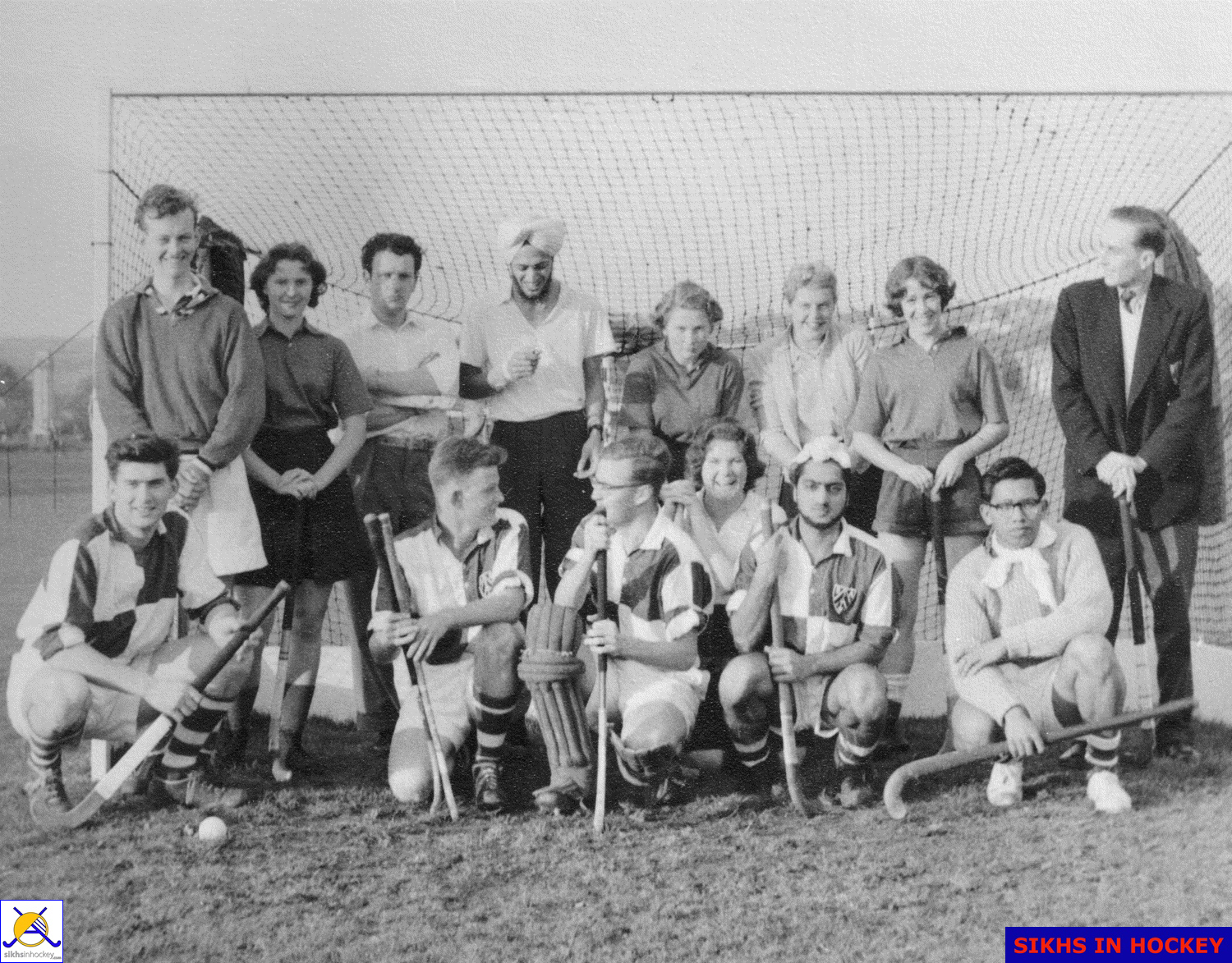
Brighton Technical College Mixed XI, 1957 (Sukhdev Rao, captain, standing 4th from left). Photo John Finnemore / Sikhs in Hockey
His senior club career took him through Slough Hockey Club (1964–1968), Teddington Hockey Club (1968–1970) and Bedfordshire Eagles (1970–1971), before he joined Hampstead Hockey Club on 8 October 1971. At Hampstead he became a central figure in the 1st XI, captaining the side during the 1972–73 and 1973–74 seasons in the early years of the London Hockey League - one of the first structured club competitions in England (established in 1969).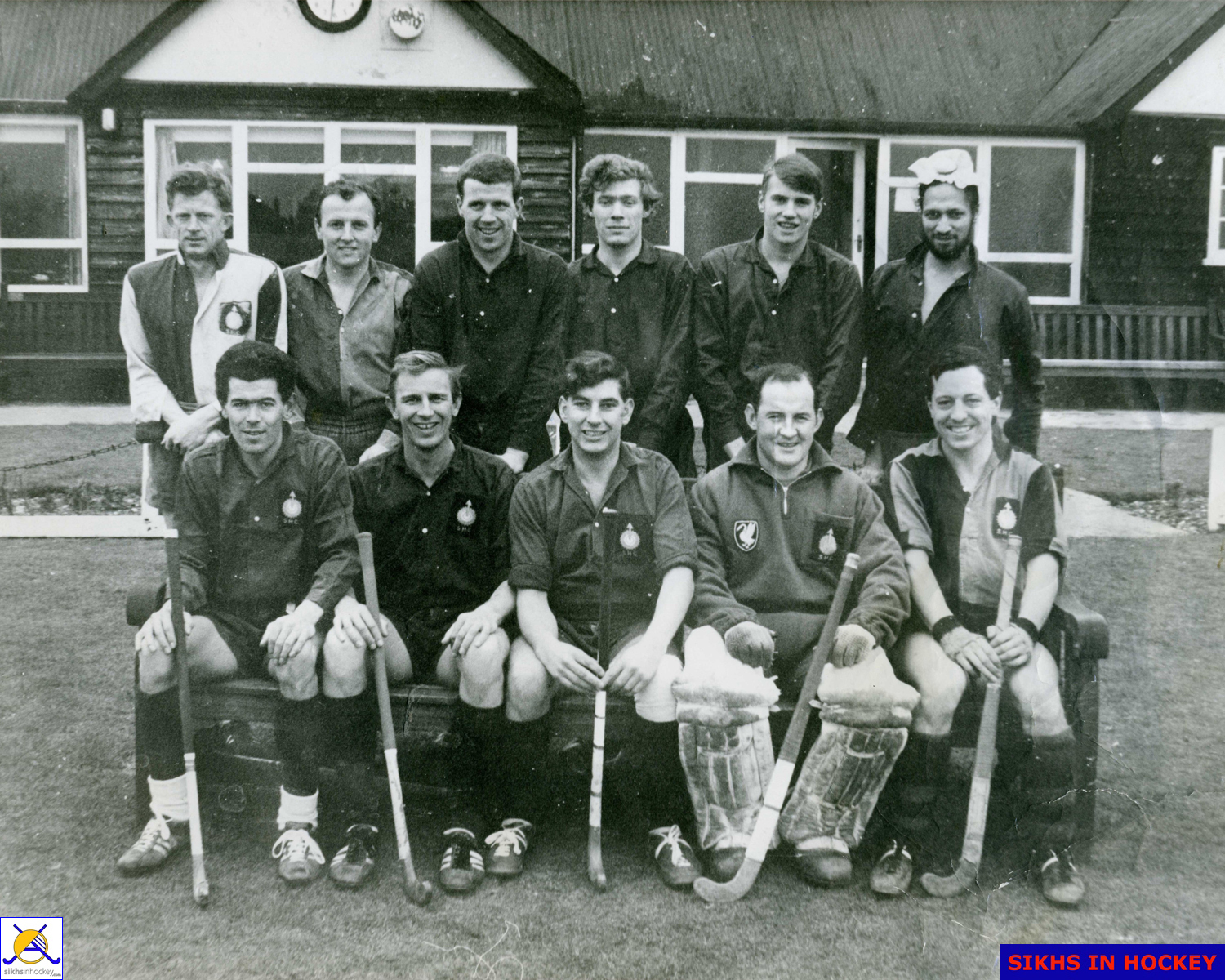
Slough Hockey Club 1968 (Sukhdev Rao, captain, standing 1st right). Photo Ian Mitchell / Sikhs in Hockey
A memorable moment from that period came during the 1973–74 season when Hampstead faced Spencer Hockey Club, with both teams captained by players of Sikh heritage born in Mombasa—Jaswinder “Jas” Singh Missan for Spencer as right inner and Sukhi for Hampstead in left back position. The match, which ended 0–0, reflected both the competitive standard of the league and the growing influence of Sikh players within English hockey at the time.
Sukhi continued to represent Hampstead’s 1st XI until the 1976–77 season and later played for Cambridge City between 1978 and 1981.
Sukhi’s influence extended far beyond his club career through his long association with the London Indians, for whom he played from 1963 to 2000 and captained between 1968 and 1974. During this period, London Indians emerged as a strong and respected side, regularly competing against county, England, Great Britain and touring international teams.
Contemporary reports in The Times confirm Sukhi’s captaincy during this period, including matches against Middlesex in October 1973 in which he is listed as captain alongside Sutinder (Suti) Singh Khehar. By March 1974, 20 year old Suti had progressed to the England squad, underlining the calibre of players within sides led by Sukhi.
Those who played under him recall both his authority and his support for emerging players. Pindhi Plaha, who played with / under his captaincy described him as “a calm, composed, steady, no-nonsense full back… a very good leader… highly respected within the hockey circuit,” while Gurmukh Singh Soor, team mate at Hampstead and London Indians, remembered him as “a deceptively strong tackler… a master tactician… making it very tough for forwards to beat him.”
Alongside his playing career, Sukhi made a lasting contribution to the development of younger players. In 1958 he founded Kijana, a touring side whose name, taken from the Swahili word for “youth,” reflected its purpose. The team provided opportunities for promising young players, many from East African backgrounds, some of whom progressed to county, national and international hockey.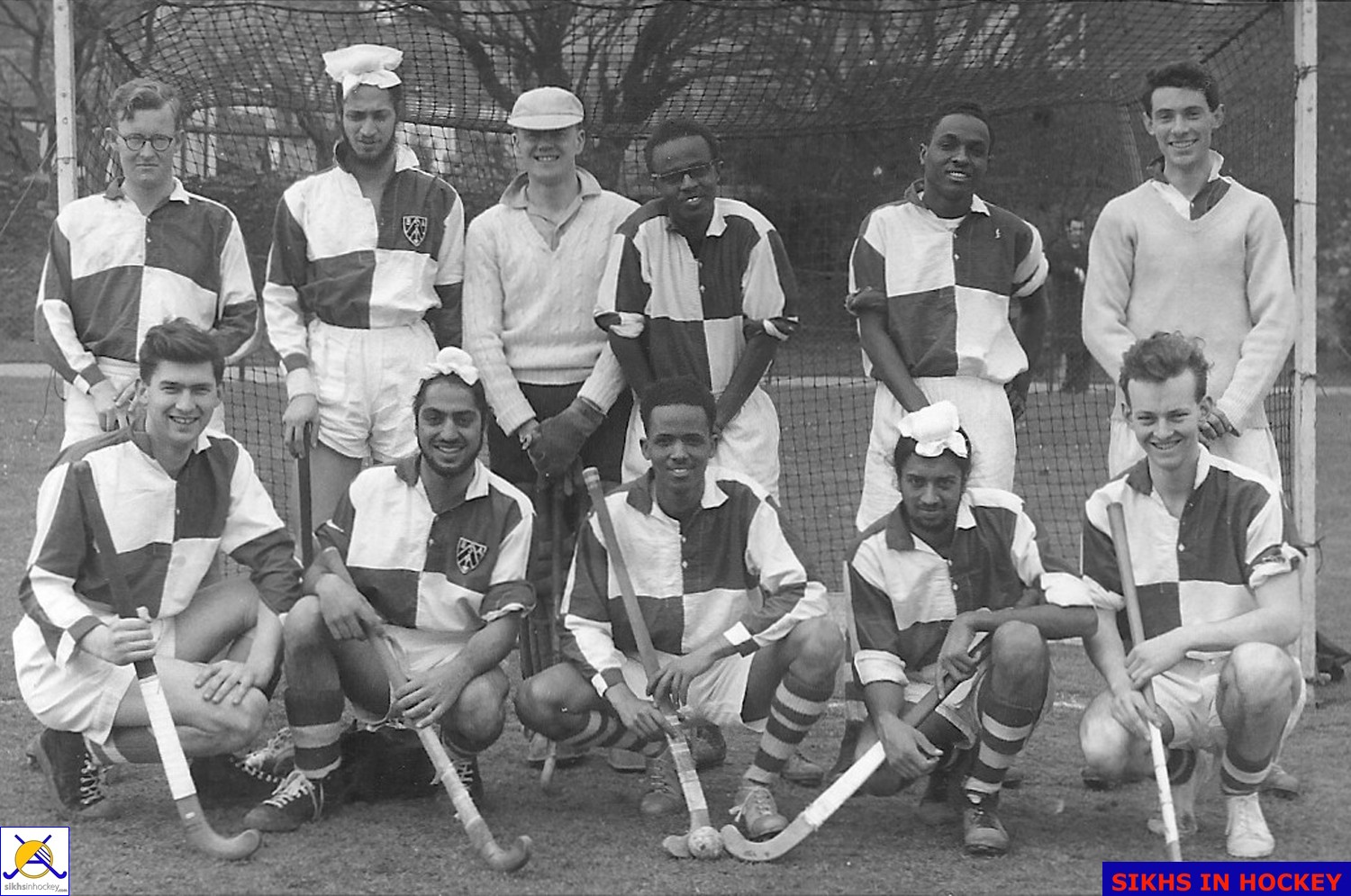
Kijana Hockey Club at Easter Festival in Paighton, Devon 1958 (Sukhdev Rao, captain, standing 2nd from left). Photo John Finnemore / Sikhs in Hockey
Kijana toured extensively in England and across Europe, including the Netherlands, Germany, Belgium and Spain. Sukhi’s commitment to nurturing talent and creating opportunities was widely recognised, and his influence extended well beyond those he played alongside directly.
His time at Hampstead also coincided with a strong period in the club’s history, and he remained closely connected with players across clubs and counties.
Sukhi was known not only for his ability on the field but also for his dedication to the sport. Former teammate Gurmukh Soor recalled long journeys to matches, often travelling significant distances to meet Sukhi before Sukhi would drive them on to fixtures and back again. Even with away fixtures, Sukhi would personally drive back to the clubhouse after the match before going back home. Weekends were devoted entirely to hockey, and he took personal responsibility for ensuring younger players were included, supported and encouraged.
He was also among the pioneers who helped establish an Indian style of play in the UK during the 1960s and 1970s, contributing to the evolution and diversity of the modern game. His career forms part of the wider history of Sikh participation in hockey in England, reflecting the growing influence of players from East Africa and Indian origin during that period.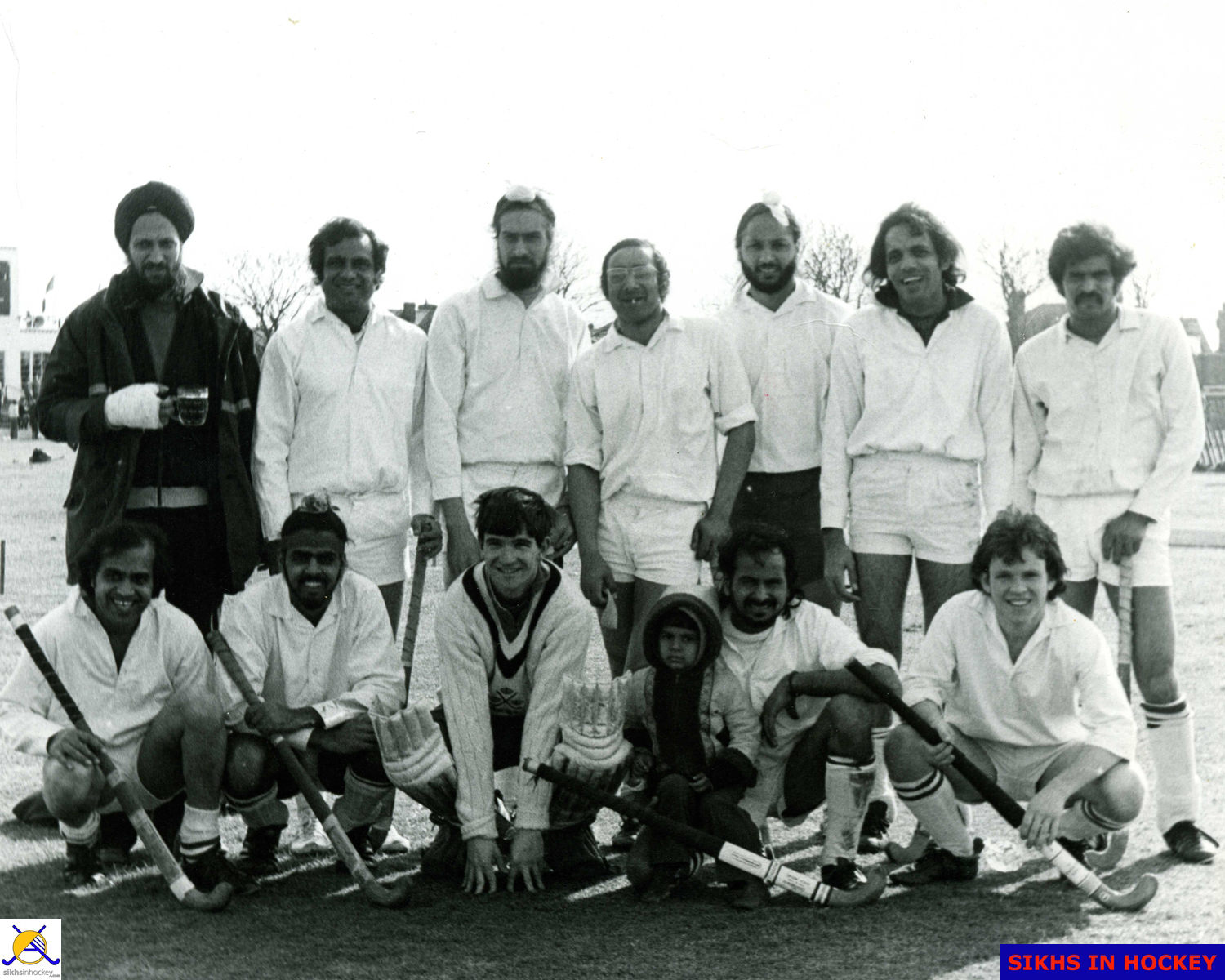
Kijana Hockey Club at Worthing Festival 1975 (Sukhdev Rao standing 1st left). Photo Sikhs in Hockey
Sukhi remained closely connected to hockey in later years and contributed to the preservation of its history, maintaining correspondence with “Sikhs in Hockey” and sharing his knowledge and recollections over many years.
He came from a family with strong hockey connections; his cousin, Tajinder Singh Rao, represented Kenya at the 1956 Melbourne Olympic Games.
Sukhdev (Sukhi) Singh Rao will be remembered as a player, captain, organiser and mentor whose contribution to club and representative hockey in England was both significant and enduring. His legacy lives on not only in the teams he played for, but in the many players he supported and inspired over several decades.
Dil Bahra
Sikhs in Hockey